In today’s fast-paced world, it’s all too easy to overlook the everyday things to be grateful for.
We move quickly from task to task, rarely pausing to acknowledge the simple joys supporting our lives—from a warm cup of coffee to a kind smile.
Yet research in positive psychology shows that actively cultivating gratitude can significantly improve mental well-being, increase resilience, and reduce stress.
Gratitude journaling offers a grounded and effective way to experience these benefits daily.
Especially when paired with a structured tool like the Foundations of Self-Discovery Mastery Journal, you can go beyond thank-you lists and begin a real journey of emotional awareness and personal growth.
In this post, we’ll explore simple yet powerful things to be grateful for each day and provide unique journaling prompts to deepen your practice and shift your mindset intentionally.
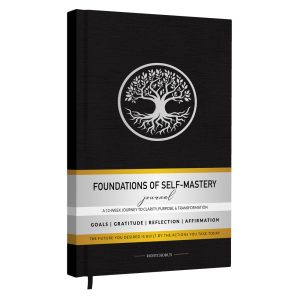
Foundations of Self Discovery & Mastery Journal: A 13-Week Personal Development Journal System
$29.95
The Foundations of Self Discovery…
Table of Contents
Things to Be Grateful For That You Might Be Overlooking
Gratitude isn’t always about grand gestures or major milestones. Often, it’s the unnoticed daily details that hold the most emotional significance.
By learning to pay attention to these often-overlooked gifts, you can reframe your outlook and pave the way for a more joyful, centered life.
This section explores the quiet abundance already present around you and how to tune into it more regularly.
Everyday Comforts and Convenience
One of the best places to start your gratitude practice is with the tiny comforts that make life smoother and softer.
Modern conveniences often go unnoticed, but they significantly impact our emotional balance.
Simple ways to recognize gratitude in everyday comfort:
- Enjoying the calming ritual of a warm morning shower.
- Savoring a fresh cup of coffee or tea.
- Having access to reliable internet, heating, or transportation.
- Sleeping in cozy sheets or wrapping yourself in a soft blanket.
When we practice mindfulness, these conveniences become more than background noise—they become a source of peace.
Train your brain to notice and appreciate them in the moment. Even noting a comforting scent or familiar rhythm in your routine can cultivate lasting joy.
The Kindness of Strangers
Brief, anonymous exchanges throughout your day can spark deep appreciation when properly acknowledged.
The kindness of strangers often lifts us at just the right moment and reminds us of the goodness in humanity.
Moments to reflect on:
- Someone holding the elevator door for you.
- Receiving unexpected help in a long queue.
- A warm smile from a passerby when you’re having a tough day.
- A random act of generosity in public.
The Foundations of Self-Discovery Mastery Journal includes daily prompts designed to help you recall these seemingly fleeting interactions.
Through structured reflection, you can cultivate deeper compassion and emotional presence—not only recognizing these moments but allowing them to imprint on your heart.
Foundations of Self Discovery & Mastery Journal: A 13-Week Personal Development Journal System
$29.95
The Foundations of Self Discovery…
Gratitude for Personal Growth and Challenges

When life doesn’t go as planned, gratitude can feel counterintuitive—but it’s during these times that the act of reflecting becomes most powerful.
Embracing our journey, including the missteps, enables transformation from within. This section invites you to view growth and adversity as gifts in your gratitude journal.
Learning Through Failure
Failure is often viewed negatively, yet it holds the key to personal evolution.
When you look back, many of your most resilient traits likely came from getting up after a fall.
Ways to reflect on failure with gratitude:
- Recognizing lessons that wouldn’t have emerged from success alone.
- Honoring your courage to try again after falling short.
- Observing how failure redirected your life for the better.
- Acknowledging the perspective you’ve gained by moving through discomfort.
Gratitude journaling provides a way to process these moments. Instead of ruminating, you transform pain into progress. This makes room for healing and grace, and ultimately strengthens your ability to persevere.
Inner Strength During Difficult Times
We often underestimate our inner strength until we’re tested. Reflecting on those periods highlights the courage and resilience cultivated within.
Example experiences to journal about:
- Maintaining a sense of self through grief or heartbreak.
- Choosing growth during times of transition or disappointment.
- Speaking up for your needs or boundaries.
- Continuing when giving up would’ve been easier.
Journaling these stories reinforces your identity as someone capable and resourceful. You begin to see your pain not only as something survived, but as something that shaped your future strength.
Foundations of Self Discovery & Mastery Journal: A 13-Week Personal Development Journal System
$29.95
The Foundations of Self Discovery…
Being Grateful for the Present Moment
In the pursuit of improvement, we often neglect the beauty already surrounding us. But real gratitude lives in the now—in the felt sense of presence, not hypothetical happiness.
This section will guide you toward finding peace in the present and cherishing life’s quiet rhythms.
Nature and Stillness
Nothing anchors you to the present quite like spending time in nature. Even a few moments of pause outdoors can be deeply restorative for your nervous system.
Daily practices for present-moment gratitude:
- Listening to birdsong on a walk.
- Watching trees sway or clouds drift.
- Feeling the ground beneath your feet as you sit or stand.
- Taking a few deep breaths during a sunrise or sunset.
Mindfully journaling about these experiences grounds your awareness. Nature doesn’t need to change for you to love it—but you change when you notice it.
Peaceful Routines
Life isn’t made up of milestone events—it’s built on how you start and end each day. Your rituals are sacred anchors for emotional balance.
Ideas for recognizing gratitude within routine:
- Morning stretches with soft background music.
- Preparing your favorite go-to breakfast.
- Lighting a candle during wind down time.
- Writing your end-of-day reflections.
Using something intentional like the Foundations of Self-Discovery Mastery Journal can help you observe these recurring rhythms with appreciation.
You’re not just writing entries—you’re documenting the small, sacred ways you show up for yourself every day.
Foundations of Self Discovery & Mastery Journal: A 13-Week Personal Development Journal System
$29.95
The Foundations of Self Discovery…
Relationships as a Source of Gratitude

Gratitude for connection is one of the most enriching and emotionally nourishing aspects of journaling.
Our relationships—whether long-standing or fleeting—shape our lives deeply. This section centers on interpersonal appreciation and the moments worth preserving.
Family Bonds and Reconnection
Family relationships can be complex. But gratitude helps us find small bridges that support reconnection, respect, and healing.
Examples of familial gratitude:
- Unexpected calls or texts that brighten your day.
- Gentle gestures from parents or caretakers.
- Laughs shared with siblings or distant relatives.
- Healing conversations that spark new understanding.
Your journal can act as a neutral witness to these moments. Documenting them creates emotional distance from discord, allowing you to reframe experiences with compassion and balance.
Friends Who Feel Like Home
Sometimes family takes the form of friends—the people who listen, hold space, and love without condition. These bonds deserve regular gratitude.
Ways to acknowledge friendship through journaling:
- Writing about the advice that pulled you through a hard time.
- Thanking friends mentally when rereading texts or messages.
- Reflecting on times they celebrated your successes.
- Journaling surprise gestures that made you feel seen.
When you reflect consistently, you’ll be more inclined to express that gratitude aloud, strengthening your relationships even more.
Foundations of Self Discovery & Mastery Journal: A 13-Week Personal Development Journal System
$29.95
The Foundations of Self Discovery…
Gratitude for the Self: Discovering Your Own Worth
Gratitude doesn’t always need an external source. Some of the most transformative journaling focuses on embracing yourself fully—present and past.
This promotes deep emotional safety and inner trust. Let’s explore how to turn that energy inward.
Past Versions of Yourself
Each chapter of your life reflects your effort to adapt, grow, and persevere—even if imperfectly. Giving thanks to past versions is an act of personal reconciliation.
Moments from your past to appreciate:
- Times you said yes to a change, even while afraid.
- Difficult choices made with limited information.
- Boundaries you learned to establish.
- Failures that demanded resilience and shaped emotional depth.
The Foundations of Self-Discovery Mastery Journal includes prompts across a 13-week journey that invite you to reflect on exactly these types of growth milestones.
It transforms your past into fertilizer for future self-trust.
Your Unique Talents and Passions
What makes you light up? What tasks come naturally to you, even when you downplay them? These parts of you deserve recognition.
Ways to explore talent-based gratitude:
- Listing skills that have supported you in life or work.
- Attention to hobbies that bring genuine joy.
- Gratitude for quirks that make your perspective unique.
- Revisiting notes of appreciation others have given you.
This isn’t vanity—it’s celebration. No one has your lived experience. Acknowledging that brings you into alignment with your value and purpose.
Foundations of Self Discovery & Mastery Journal: A 13-Week Personal Development Journal System
$29.95
The Foundations of Self Discovery…
New and Unique Gratitude Prompts to Deepen Your Daily Practice

If your journaling routine has started to feel stagnant or repetitive, this section will reignite inspiration.
Novel prompts uncover overlooked mindsets and intuitive insights that elevate your gratitude from routine to transformative.
What Made You Laugh Today?
Humor holds healing power. Recognizing what brought you joy—even a single moment of lightness—grounds you in life’s sweetness.
Try reflecting on:
- An unexpected meme or video that made you giggle.
- A moment of silly banter with someone close.
- A personal mistake that became comedic in hindsight.
- Childlike laughter from a stranger or passerby.
Laughter is often absent in basic gratitude journals. But this type of journaling infuses joy and keeps your practice lighthearted and sustainable.
What Would You Miss If It Were Gone Tomorrow?
This prompt facilitates heart-centered presence. By imagining its absence, you invite deeper consciousness without negative thinking.
Use this reflection for:
- The people or pets you often take for granted.
- The sounds, smells, or routines of home.
- Creative outlets like music or writing.
- Unnoticed freedoms like mobility, expression, or solitude.
Prompts like these are infused within the Foundations of Self-Discovery Mastery Journal to gently push your awareness into meaningful daily reflection—not just mechanical listing.
Foundations of Self Discovery & Mastery Journal: A 13-Week Personal Development Journal System
$29.95
The Foundations of Self Discovery…
Celebrating the Future with Gratitude Today
While gratitude honors the present, it’s also a powerful tool to visualize your future. When you make room for appreciation for both now and what’s to come, you develop an abundance mindset rooted in optimism. This section helps align that vision.
Gratitude for Opportunities Yet to Come
Dreams and desires thrive in a soil of belief. When you express appreciation in advance, you welcome possibility and trust in the unfolding journey.
How to express anticipatory gratitude:
- Journaling about an upcoming trip as though it’s already joyful.
- Being thankful “in advance” for future career success.
- Reflecting on future friendships or love you’ll build.
- Expressing gratitude for the unknown turning out in your favor.
Belief doesn’t require certainty—it only requires invitation. Journaling in this way creates emotional momentum and expands your openness.
Visualizing Your Ideal Life Through a Gratitude Lens
Rather than writing from lack, imagine your best self living their best day. Describe it in vivid, thankful language.
Prompts to guide visualization:
- “I’m so grateful I get to wake up feeling energized in a space I love.”
- “I’m thankful for the meaningful work I do that makes me proud.”
- “I appreciate the calm, loving connections in my life.”
- “I’m grateful for how peacefully I move through life now.”
As part of its final 13-week ritual, the Foundations of Self-Discovery Mastery Journal includes a dedicated Gratitude Vision Board to help focus these future reflections with clarity and purpose.
Conclusion
Every day presents us with countless things to be grateful for—both profound and seemingly insignificant.
From warm routines to difficult lessons, from laughter to self-appreciation—each is a small thread that weaves meaning into the fabric of daily life.
Practicing intentional gratitude, especially through consistent journaling, rewires your brain to notice joy and resets your emotional compass.
Tools like the thoughtfully designed Foundations of Self-Discovery Mastery Journal make this journey easier, empowering you with curated prompts, affirmations, and compassionate structure.
If you’re ready to uncover the beauty in both the light and shadow of life, let this practice become part of your daily ritual—and allow gratitude to be your guide to a fuller, more peaceful existence.
Frequently Asked Questions
You can begin with the everyday: a roommate’s kind gesture, the scent of clean sheets, or a deep breath during a busy morning. Anything that creates comfort, joy, or meaning—no matter how minor—is worth capturing.
Regular gratitude practice has been tied to reduced anxiety, better sleep, improved emotional regulation, and increased resilience. It redirects focus from scarcity to abundance and helps you reframe challenges with clarity.
Using a tool like the Foundations of Self-Discovery Mastery Journal is incredibly helpful. It guides you each day with consistent prompts, affirmations, and progress tracking that make the habit sustainable.
Yes. During hardship, gratitude doesn’t ignore pain—it reveals what still supports and sustains you. This shift helps foster emotional grounding, reducing feelings of helplessness and increasing hope.
Try asking yourself: “What was a moment of peace I experienced today that I didn’t expect?” This encourages mindfulness and presence in fleeting but healing experiences.
Absolutely. Repetition strengthens appreciation and amplifies the joy of recurring blessings. Gratitude is not about novelty—it’s about consciousness and acknowledgment.
While digital journaling works for some, writing by hand—especially in a premium tool like the Foundations of Self-Discovery Mastery Journal—promotes deeper cognitive processing and a more thoughtful connection with your reflections.
Daily practice works best. Just a few minutes each day fosters momentum and neural change. Some prefer morning reflections, others evening wind downs—what matters most is consistency.
Many people notice emotional shifts within 2–3 weeks. Over time, consistent practice leads to long-term mental health benefits like increased optimism and stronger stress resilience.
Yes. Gratitude helps broaden your attention and illuminates areas of life still working well, offering emotional grounding. It’s a valuable antidote to chronic stress and disconnection.